
-
Before your buy
- Frequently Asked Questions
- Borniak Smoke Generator Review PL
- Jaką wędzarnie wybrać [Video} PL
- How to get finance for Borniak Smoker?
- The Best Electric Smoker for Catering Business
- Grupy na FB o domowym wędzeniu PL
- How the Borniak Smoker 150 works User Story
- Which Borniak Smoker should you buy? 2025 Guide

Choosing a BBQ smoker is much easier when you start with the food you want to make, the temperature range you need and the amount of fire management you actually enjoy. This UK guide compares electric smokers, pellet smokers, kamados, water smokers, charcoal grills and traditional smoking cabinets — then shows you which type suits home cooks, keen BBQ enthusiasts and small food businesses.
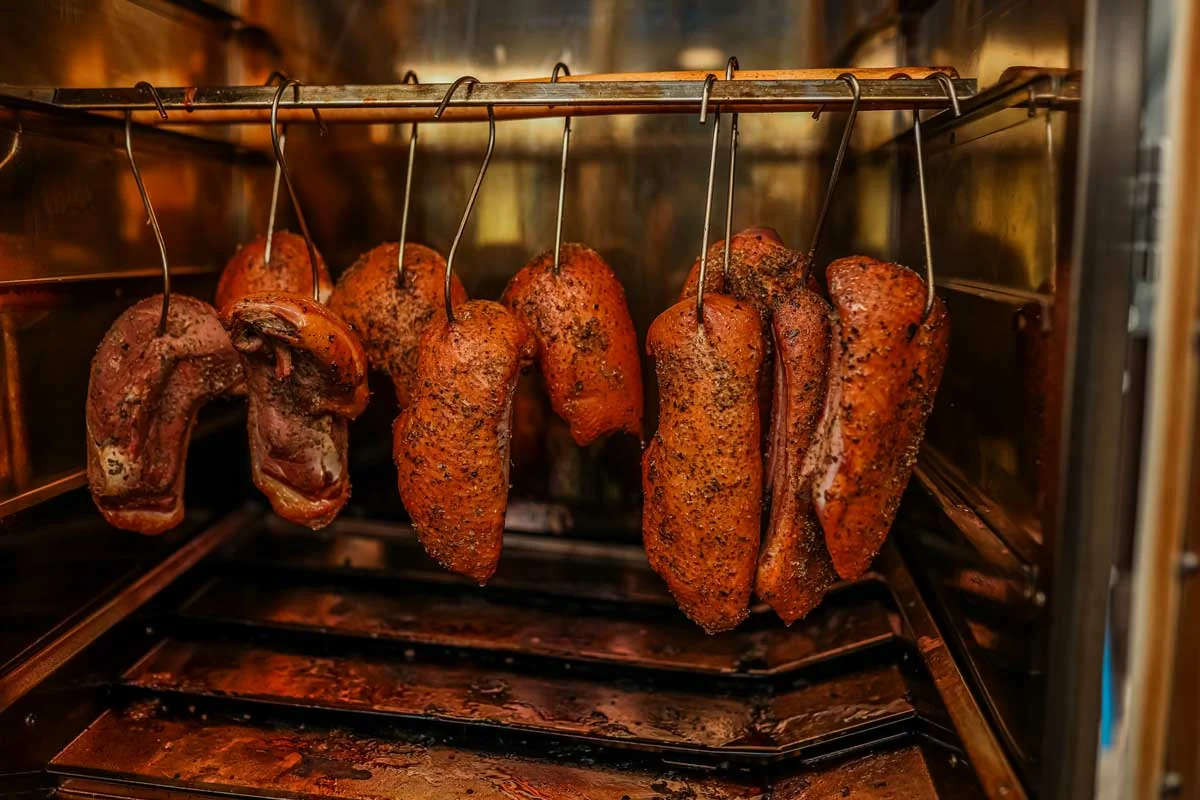
The short answer
- Choose an electric cabinet smoker if you want reliable temperature control, repeatable smoke and the option to hot or cold smoke with minimal supervision.
- Choose a pellet smoker if BBQ cooking is your priority and you like automated fuel feeding, but do not need true cold-smoking flexibility.
- Choose a kamado if you enjoy charcoal, grilling and hands-on temperature control more than large smoking capacity.
- Choose a water smoker if your budget is tight and you are happy to learn fire management.
- Keep a gas or charcoal grill for fast grilling; add a dedicated food smoker if smoke quality and batch capacity matter.
What should you look for in a smoker?
Searches for BBQ smokers, meat smokers, electric smokers and cold smokers often lead to products that solve very different jobs. Before comparing brands, decide how you will use the machine.
1. Hot smoking, cold smoking or both?
Hot smoking cooks food while adding smoke. It suits ribs, brisket, pulled pork, chicken, sausages and fish. Cold smoking works at a much lower temperature and is used for foods such as cheese, cured fish and properly prepared cured meats. Cold smoking requires suitable food preparation and careful temperature control; it is not simply low-temperature cooking.
A grill, kamado or pellet smoker can be excellent for hot smoking, but a purpose-built cabinet with a separate smoke generator gives you a wider working range. If cheese, salmon or charcuterie is on your list, check cold-smoking capability before buying.
2. Temperature stability
Stable heat makes results easier to repeat. Thin, uninsulated cabinets react quickly to cold weather and wind. Charcoal cookers can hold temperature well once mastered, but the operator still controls vents, fuel and airflow. A digital electric smoker separates heat control from smoke production, so you can adjust each more consistently.
3. Capacity and usable space
Do not compare litres alone. Think about rack width, shelf spacing and whether you will hang sausages or fish. A compact smoker may be ideal for a family, while batch cooking or hospitality service quickly justifies a larger chamber. In the Borniak range, 70-litre models are positioned for loads of around 10kg, while 150-litre models are designed for around 20kg, subject to the product and spacing required.
4. Running cost and attention
Fuel cost is only part of the calculation. Also count lighting, warm-up, refuelling, ash removal and the time spent watching the cook. If you enjoy tending a fire, that work is part of the pleasure. If you want consistent production while preparing the rest of a meal, automatic smoke generation and digital control may be worth more than the lowest purchase price.
Smoker types compared
| Smoker type | Best for | Main advantage | Main compromise |
|---|---|---|---|
| Gas BBQ with smoker box | Fast grilling with occasional smoke flavour | Convenient and familiar | Limited smoke depth and poor cold-smoking control |
| Kamado | Charcoal grilling and low-and-slow BBQ | Excellent heat retention | Smaller chamber and a learning curve |
| DIY timber cabinet | Experienced hobbyists who enjoy building | Customisable and traditional | Fire safety, hygiene and temperature consistency require care |
| Basic metal cabinet | Budget cold-smoking experiments | Simple construction | Condensation and weather-related temperature swings |
| Pellet smoker | Automated hot smoking and American-style BBQ | Easy fuel feed and good BBQ results | Pellet use, cleaning and limited true cold smoking |
| Water smoker | Affordable charcoal smoking | Good value and portable | Needs practice; less happy in cold UK weather |
| Charcoal kettle grill | Grilling with occasional indirect smoking | Versatile and widely available | Limited capacity and regular fire management |
| Electric cabinet smoker | Repeatable hot and cold smoking | Precise control, insulation and easy operation | Needs mains power and costs more than entry-level charcoal equipment |
Gas BBQ: useful grill, limited food smoker
A modern gas barbecue is quick, clean and convenient. Add a smoker box and wood chips, and you can introduce a light smoke note. However, it is difficult to produce the steady, dense smoke of a dedicated cabinet. Many gas grills also struggle to hold very low temperatures, and cold smoking is not their natural job.
Best choice if: most of your cooking is direct grilling and smoke is an occasional extra. A gas BBQ and a separate electric food smoker make a more capable pair than asking one appliance to do everything.
Kamado: superb charcoal cooker for hands-on enthusiasts
Ceramic kamados retain heat exceptionally well and can grill, roast and cook low and slow. Once the vents and fuel are set correctly, they can run steadily for hours. They produce excellent ribs, pork shoulder and brisket, with the flavour and theatre of charcoal.
The trade-off is capacity and operator involvement. Building a clean fire, settling the temperature and replenishing smoke wood all require judgement. A kamado is therefore a strong choice for someone who wants grilling and smoking in one charcoal cooker, but not the simplest choice for larger batches of fish, sausage or cheese.
Traditional timber or metal smoking cabinet
A homemade smoking cabinet has obvious appeal. It can provide lots of hanging space and may work well in experienced hands. Yet an uninsulated cabinet exposes the process to outdoor temperature, wind and moisture. Timber construction also demands careful attention to heat sources, clearances and fire safety. Thin metal cabinets can create condensation and lose heat rapidly.
For a skilled hobbyist, building and refining a cabinet may be the point. For a beginner who wants predictable, hygienic results, an insulated manufactured smoker is usually the less frustrating route.
Pellet smoker: convenient BBQ, but check the cold-smoking limits
A pellet smoker automatically feeds compressed wood pellets into a burn pot. It combines much of the convenience of an electric controller with live combustion. That makes it popular for brisket, ribs and pulled pork. Many models can also grill at higher temperatures.
Pellets provide both heat and smoke, so long sessions may consume a meaningful amount of fuel. Burn pots, grease channels and pellet feed systems also need cleaning and maintenance. Before buying, check the lowest stable temperature and whether any advertised “smoke” mode is suitable for the foods you plan to make. A pellet unit is a capable hot smoker, but it is not automatically a versatile cold smoker.
Water smoker: good value if you enjoy fire management
A water smoker uses charcoal beneath a water pan, which acts as a heat buffer. With good briquettes and practice, it can hold BBQ temperatures for many hours. It is often one of the most affordable ways to learn low-and-slow cooking.
Its weaknesses are cold weather, fuel management and limited cold-smoking ability. It is a rewarding option for a patient beginner, but less suitable if you need push-button repeatability or regular batch production.
Charcoal kettle: start here if grilling comes first
A lidded kettle grill can smoke surprisingly well using a two-zone fire, a charcoal snake or baskets with wood chunks. It is affordable, flexible and an excellent teacher. For occasional smoked chicken, ribs or a small pork shoulder, it may be all you need.
Capacity is limited and the fire normally needs checking during a long cook. If you move from occasional BBQ to making fish, sausage, ham or multiple racks every week, a dedicated meat smoker becomes more practical.
Electric cabinet smoker: the most versatile option for repeatable smoking
A well-insulated electric smoker uses an electric heating element to control chamber temperature and a separate smoke generator to produce wood smoke. Because heat and smoke are managed independently, you can create consistent conditions without maintaining a charcoal fire.
This format works particularly well as a fish smoker, sausage smoker and general-purpose meat smoker. With the correct accessory and safe preparation, it can also cover cold-smoking tasks. Digital controls reduce the learning curve, while timer and WiFi options make it easier to repeat successful batches.
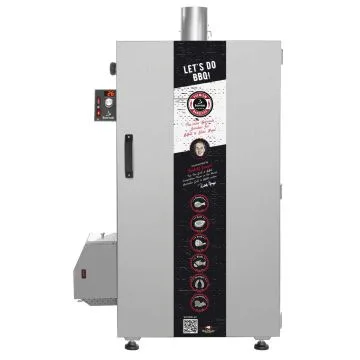
Which Borniak electric smoker should you choose?
Borniak divides the range by temperature, capacity and control level. The quickest way to narrow it down is to answer three questions.
Classic or BBQ?
Borniak Classic smokers run up to 120°C and suit traditional smoking of fish, cheese, sausage, ham and other cured products. They are the sensible value choice when classic smoking matters more than higher-temperature American BBQ.
Borniak BBQ smokers reach up to 150°C. Choose this range if you want more headroom for ribs, brisket, pulled pork and poultry as well as traditional smoked foods.
70 litres or 150 litres?
A 70-litre cabinet is the natural home smoker for smaller batches and spaces, with an indicated load around 10kg. The 150-litre cabinet is better for entertaining, batch cooking and small catering, deli or hospitality use, with an indicated load around 20kg. Leave enough space around each item for airflow; maximum practical capacity changes with the shape and type of food.
Simple control, timer or WiFi?
Standard digital control is ideal if you are happy to set the temperature and check the smoker locally. Timer models make repeatable sessions easier. Borniak WiFi smokers add app-based monitoring and are useful when several people share the equipment or you want easier oversight during a long session.
Best smoker by type of buyer
- Beginner wanting reliable results: a 70L electric smoker with digital control.
- BBQ fan cooking ribs and brisket: a Borniak BBQ model, pellet smoker or kamado; choose electric for easier repeatability and larger cabinet space.
- Angler or fish-smoking enthusiast: an insulated cabinet smoker with separate smoke generation and enough hanging or rack space.
- Charcuterie and cheese maker: a smoker designed to work with a cold-smoking adapter; follow validated curing and food-safety methods.
- Pub, restaurant, deli or caterer: a 150L model for larger batches, with timer or WiFi control where staff consistency matters. See our guide to electric smokers for pubs, restaurants and catering.
- Hands-on charcoal enthusiast: a kamado or water smoker if managing the fire is part of the experience you want.
Frequently asked questions
Is an electric smoker better than a pellet smoker?
An electric cabinet smoker is usually better for precise temperature control, low running attention and a wide range of traditional smoking. A pellet smoker is attractive when American-style hot smoking and grill-like cooking are the priority. The better choice depends on whether you value cold-smoking flexibility or live-fire pellet combustion more.
Can you cold smoke in an electric smoker?
Yes, if the model supports a separate smoke generator or cold-smoking adapter and you can keep the chamber within the correct temperature range. Always use properly cured or otherwise suitable foods and follow recognised food-safety guidance.
What size smoker do I need?
For normal family use and smaller batches, a 70L cabinet is often sufficient. Choose 150L if you regularly entertain, want to hang longer products, smoke several racks at once or need batch capacity for a small business. The food’s shape and required airflow matter as much as its weight.
Is a BBQ smoker suitable for fish and cheese?
A versatile cabinet BBQ smoker can handle fish and, with suitable cold-smoking equipment, cheese. A grill-style smoker that creates heat and smoke from the same fire may be harder to keep cool enough for cheese.
Do electric smokers produce real wood smoke?
Yes. In a Borniak smoker, an electric heating element controls the cabinet temperature while a separate generator smoulders real wood chips. “Electric” describes the heat and control system; the flavour still comes from wood smoke.
Editorial note: This independent UK buying guide was developed from Borniak’s smoker comparison article and current Smokehouse Guru product specifications. Product capabilities vary by model; check the individual product page and manual before purchase or use.