
-
Before your buy
- Frequently Asked Questions
- Borniak Smoke Generator Review PL
- Jaką wędzarnie wybrać [Video} PL
- How to get finance for Borniak Smoker?
- The Best Electric Smoker for Catering Business
- Grupy na FB o domowym wędzeniu PL
- How the Borniak Smoker 150 works User Story
- Which Borniak Smoker should you buy? 2025 Guide

Practical UK smoking guide
Smoking times and temperatures are useful starting points, but the clock cannot tell you when food is ready. Product thickness, starting temperature, fat content, airflow and moisture all change the result. For hot-smoked food, monitor the smoking chamber and check the core with a clean probe thermometer.
The chart below covers pork loin, pork belly, pork neck, trout, cold-smoked salmon and sausage. Use it alongside a tested recipe, the instructions for your smoker and current UK food-safety advice.
Smoking times and temperatures chart
The figures are practical guide ranges for home smoking rather than guarantees. “Time in smoker” includes the smoke stage and, where applicable, finishing the product until it reaches the intended core temperature. It does not include curing, brining, surface drying, cooling or storage.
| Food | Smoking chamber | Finishing stage | Guide core temperature | Approx. time in smoker |
|---|---|---|---|---|
| Pork loin | 50–55°C | 80–90°C | 63–64°C | 4–6 hours |
| Pork belly | 50–60°C | 80–90°C | 65–68°C | 4–6 hours |
| Pork neck | 55–60°C | 85–90°C | 68–72°C | 5–7 hours |
| Trout | 60–75°C | 85–90°C if needed | About 63°C | 1½–2½ hours |
| Cold-smoked salmon | 16–22°C | No cooking stage | Not applicable | About 18 hours in stages |
| Sausage | 50–60°C | 85–90°C or poach as the recipe directs | 68–72°C | 3–5 hours |
Why smoking time alone is not enough
Two pieces of pork loin can look identical yet heat at different rates. A thicker cut has a longer path to the centre. A fridge-cold product takes longer than one that has been brought to the starting condition specified by the recipe. A full cabinet behaves differently from a lightly loaded one, while wet surfaces, outside weather and frequent door opening can all extend the process.
For repeatable results, control three things together:
- Chamber temperature — the heat surrounding the food.
- Smoke quality — clean, measured smoke rather than a dense bitter cloud.
- Core temperature — measured with a reliable food probe during hot smoking.
A stable electric cabinet makes this easier because heat and smoke can be managed separately. If you are comparing sizes and control systems, see our Borniak electric smoker buying guide or browse the complete range of Borniak smokers available in the UK.
Pork smoking temperatures and times
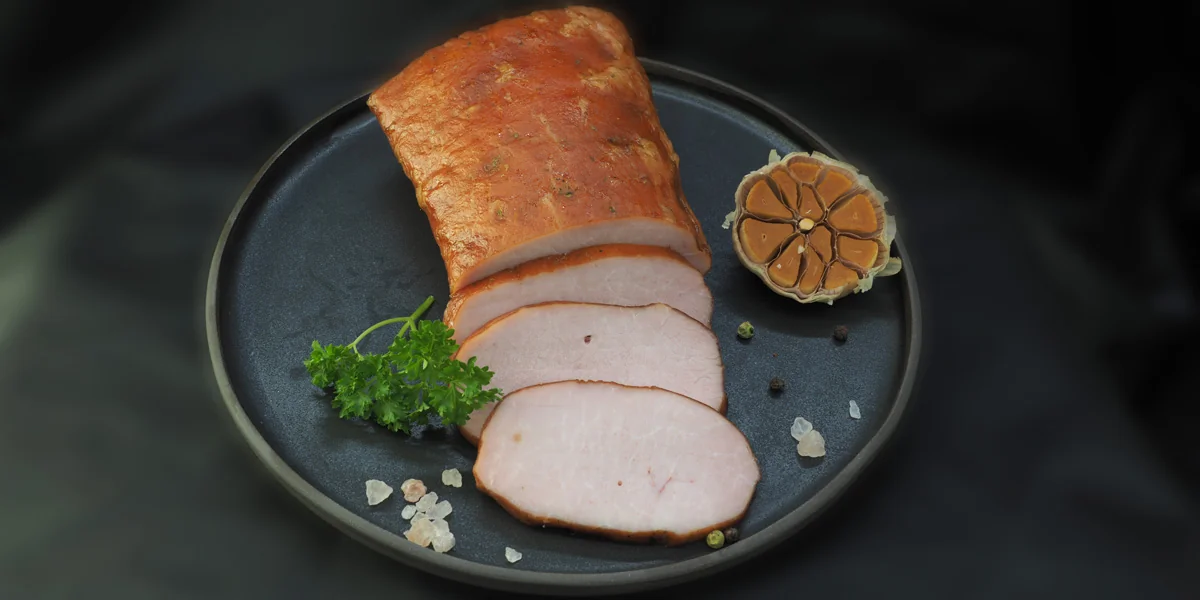
Pork loin: protect a lean cut from drying out
Pork loin is lean, so a calm rise in temperature matters. Dry the surface properly before adding smoke and insert the probe into the centre of the thickest section. Raising the heat too quickly can squeeze out moisture before the centre has reached the target in your recipe.
Pork belly: balance smoke colour and fat rendering
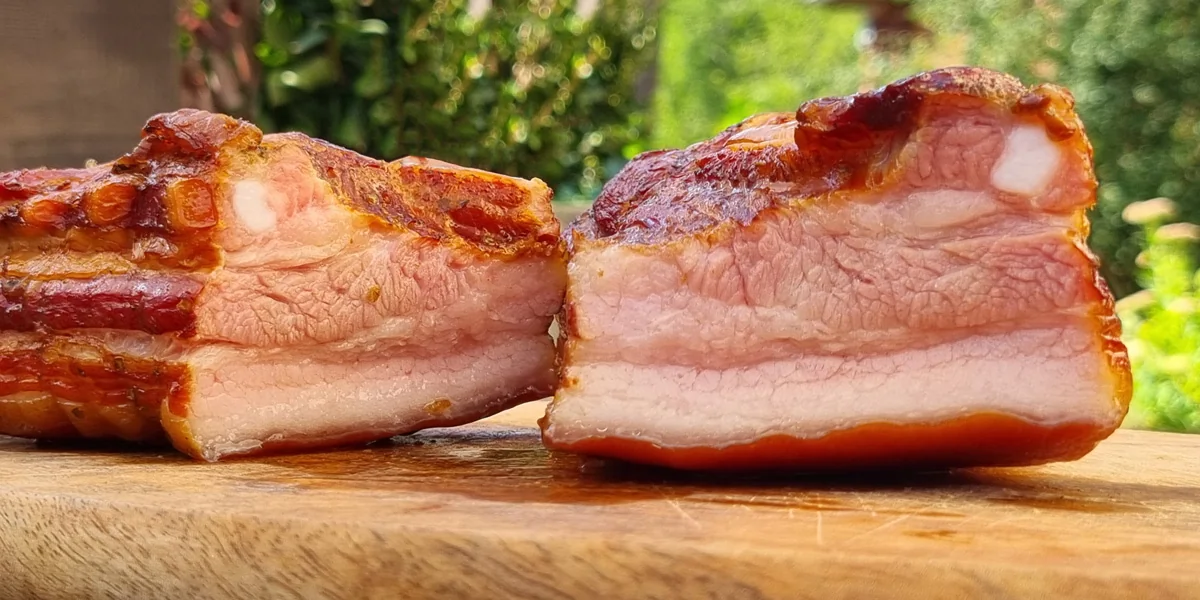
Pork belly accepts smoke readily and usually develops colour faster than lean meat. Excess heat, however, can render more fat than intended and leave the finished slice greasy on the outside or dry within. A tacky-dry surface before smoking gives more even colour and a cleaner flavour.
Pork neck: allow time for an even centre
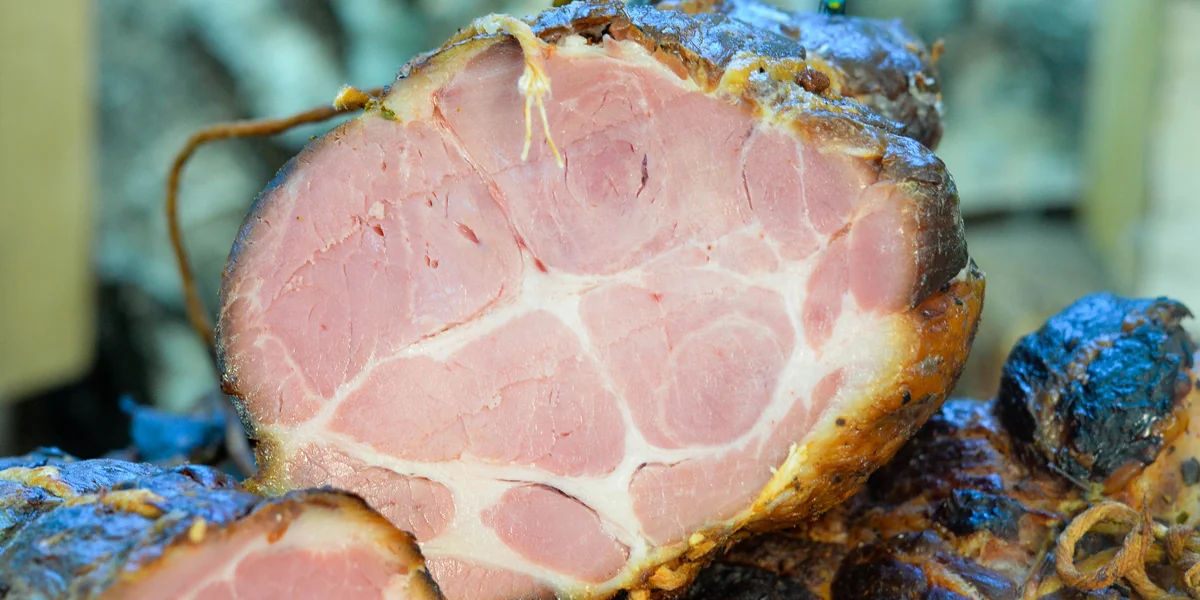
Pork neck is thicker and more marbled than loin. Its shape and fat content reward patience: hold a steady chamber temperature and allow the centre to rise gradually. A probe gives you better information than appearance or an estimated number of hours.
When curing pork before smoking, use a validated recipe and weigh ingredients accurately. If your recipe calls for curing salt, read the product instructions carefully; our curing salt and Prague powder product page explains the product supplied by Smokehouse Guru.
Fish smoking temperatures: trout and salmon
Hot-smoked trout
Trout is delicate and heats faster than a large joint of meat. Drying the skin before smoking improves the finish. Use mild, clean smoke and check the thickest part. If the process runs too long, the flesh can become dry and crumbly rather than lifting neatly from the bones.
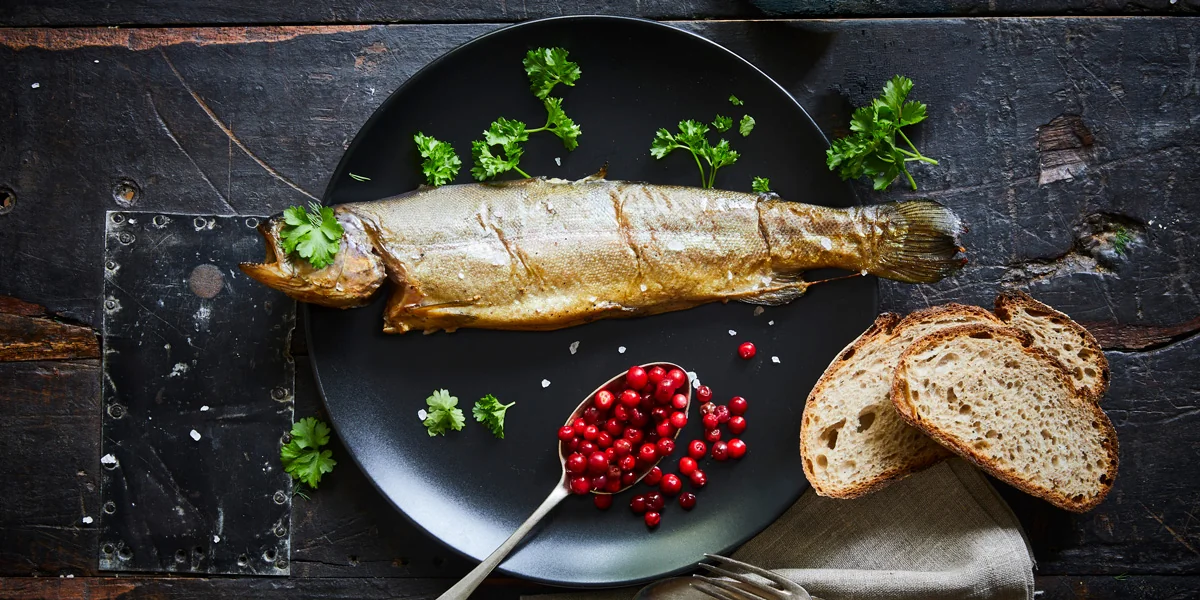
Hanging fish securely helps airflow and presentation. See our fish-smoking hooks with spacers for a purpose-made option.
Cold-smoked salmon
Cold-smoked salmon is not cooked by heat. The method depends on suitable fish, accurate salting or curing, strict hygiene, controlled low temperature and sufficient time. It should be approached as a complete validated process, not simply as “put salmon in smoke at 20°C”. Pay particular attention to conditions on warm days.
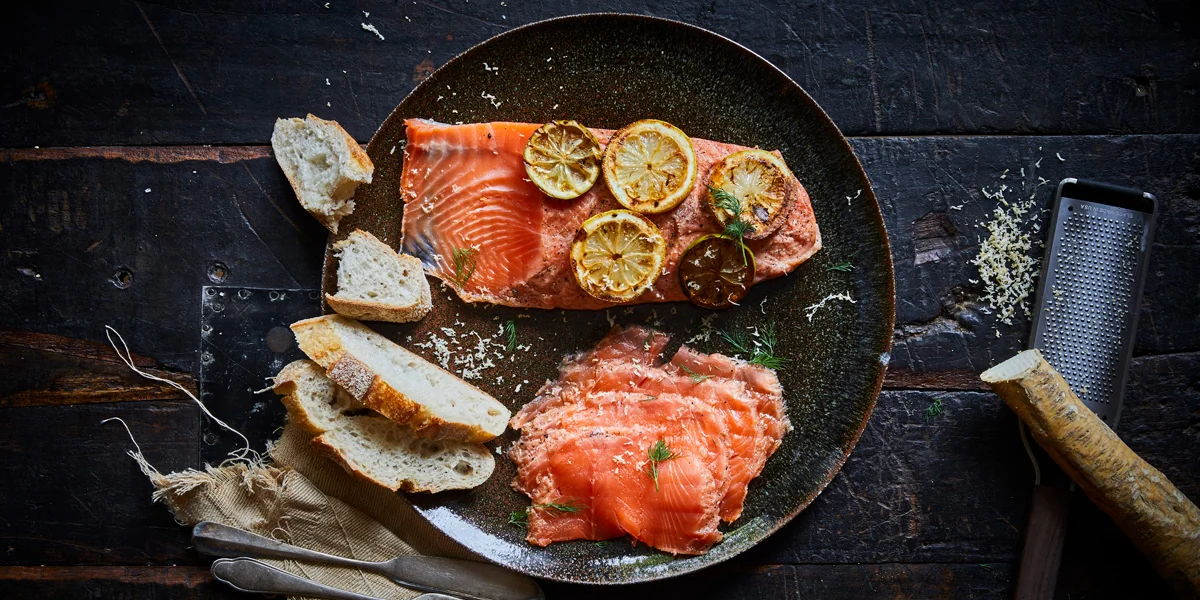
A remote smoke path can help cool smoke before it reaches the cabinet. For compatible setups, view the 3-metre cold-smoking spiro duct. Always follow the smoker and accessory instructions and an appropriate cold-smoking recipe.
Smoked sausage temperature and timing
Sausages should be evenly dried before smoke is introduced. A wet casing takes smoke poorly, which can produce patchy colour and a harsher surface taste. After smoking, bring the centre to the temperature required by your recipe, either in the smoker or through the specified poaching or finishing stage.
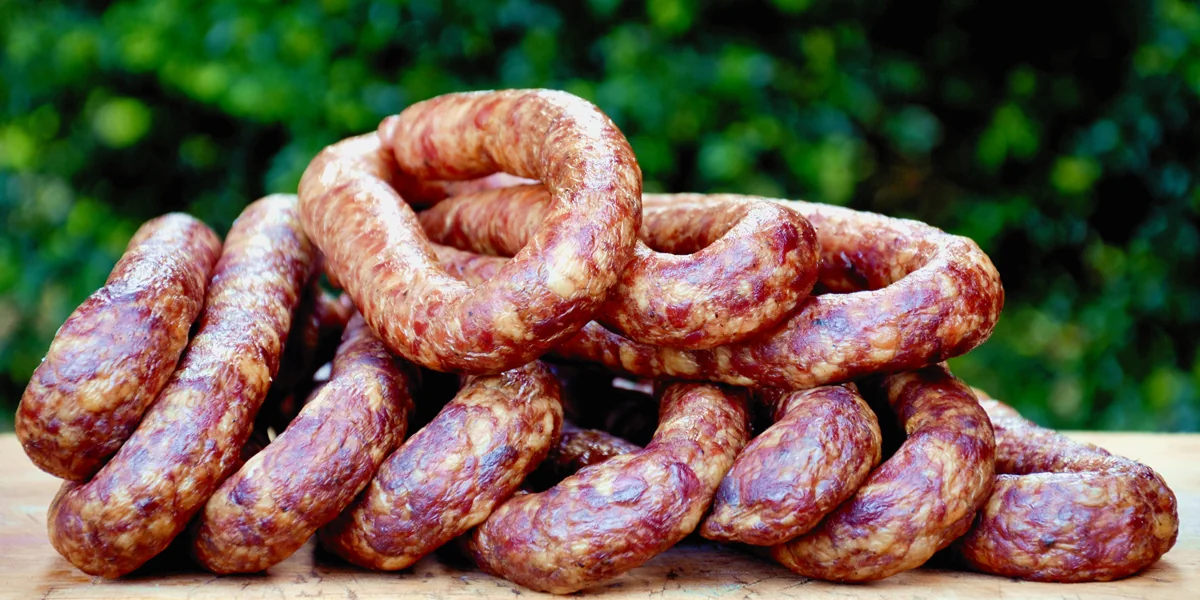
For sausage-making supplies, browse our natural sausage casings. Choose the casing size to suit the style of sausage and use a tested method for filling, drying, smoking and cooling.
Common temperature-control mistakes
Raising the heat too quickly
The outside can look finished while the centre is still below the target required by the process.
Skipping surface drying
Moisture prevents smoke adhering evenly and can leave a blotchy or dull finish.
Using too much smoke
More smoke does not mean more flavour. Dense or stale smoke can taste bitter.
Working without a probe
Without core-temperature data, it is easy to stop too early or dry the food out.
A wireless Bluetooth food thermometer lets you monitor the centre without repeatedly opening the door and losing heat.
How to plan a smoking session
- Choose the product and method. Decide whether the process is hot smoking, warm smoking or cold smoking.
- Use a tested recipe. Complete the specified curing, brining, seasoning or marinating stage.
- Dry the surface. Smoke adheres more evenly to a properly prepared exterior.
- Preheat the smoker. Stabilise the chamber at the recipe temperature before loading.
- Add clean smoke at the right moment. Do not compensate for poor airflow by producing more smoke.
- Hold a steady chamber temperature. Avoid unnecessary door opening and sudden heat changes.
- Check the centre. During hot smoking, measure in the thickest part and confirm readiness against your recipe and food-safety guidance.
- Cool and store correctly. Smoking does not remove the need for safe handling and refrigeration.
Wood choice affects aroma but should not mask the food. Explore wood chips for smoking to compare beech, alder, apple, cherry and other options.
Why an electric smoker helps
A Borniak electric smoker is useful when temperature stability, even smoke and repeatability matter. Separate control of heat and smoke reduces the need to manage an open fire, while the automatic smoke generator makes long sessions easier. Preparation, hygiene and core-temperature checks still remain essential.
Smoking time and temperature FAQ
Does the thickness of meat change the smoking time?
Yes. A thicker piece normally takes longer to warm through, even at the same chamber temperature. Treat the chart as a planning guide and use a probe to follow the centre during hot smoking.
Is smoking time or core temperature more important?
For hot-smoked meat, fish and sausage, the core measurement is generally the more useful indicator. Time helps you plan; it does not prove that a particular piece is ready.
Does smoke cook the food?
Not necessarily. Smoke supplies aroma, flavour and colour, while heat raises the food temperature. Some methods require a separate finishing or poaching stage. Cold smoking deliberately avoids a cooking temperature.
When should I start the smoke generator?
Usually after the product surface has dried and the chamber is stable, subject to your recipe and smoker instructions. Smoke adheres less evenly to a wet surface.
Can I speed smoking up by turning the heat higher?
That can damage texture: lean meat may dry out, pork belly may lose too much fat and fish can become crumbly. A stable, controlled process normally gives the better result.
What is the difference between hot and cold smoking?
Hot smoking combines smoke with a rising food temperature and a cooking or finishing stage. Cold smoking operates at low temperature and does not cook the food, so preparation and hygiene are critical.
Is colour enough to tell whether smoked food is ready?
No. Colour shows what has happened at the surface. The outside can look excellent while the centre has not yet reached the intended temperature.
For more practical advice on equipment, preparation and technique, visit our food-smoking FAQ.